.png)

Bathroom Renovation Ideas: Organic Bathroom Style
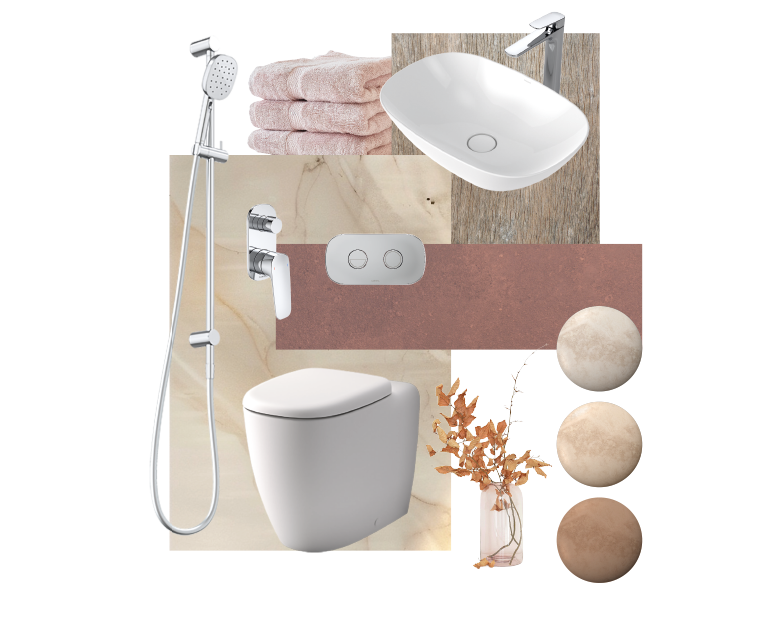
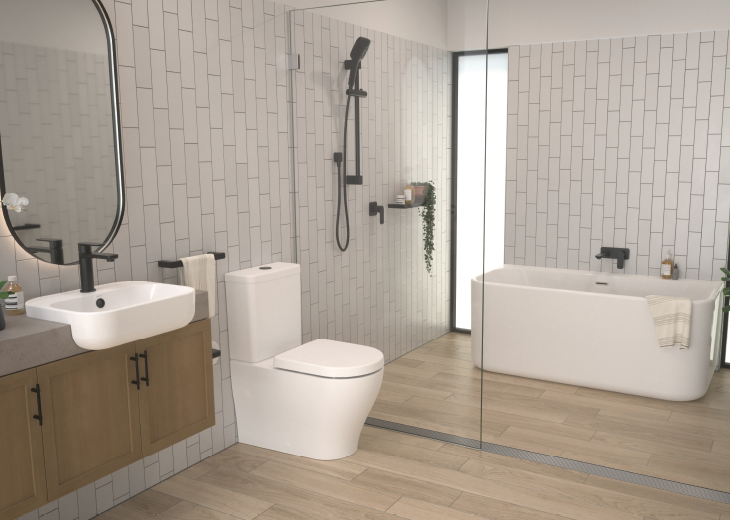
The organic bathroom style is all about flow, warmth, and a deep connection to the natural world. It’s a style that balances grounded materials with calming design - creating a space that feels both rejuvenating and refined. Inspired by nature’s irregular beauty, the organic look favours soft forms, tactile textures, and earthy tones. Curves and asymmetry take the lead here, replacing harsh lines with fluidity. This creates an intuitive environment - one that feels welcoming and restorative from the first step inside.
This style isn’t about replicating the outdoors, but rather representing its essence in a functional space. Natural stone surfaces, raw timbers, and woven textiles combine with subtle modern detailing to create a bathroom that feels both lived-in and luxurious. The organic style suits homes that seek calm among the chaos - from modern family builds to nature-forward retreats. It invites slow rituals, easy breathing, and time well spent. The space remains timeless not through uniformity, but through authenticity. With the right Caroma collections, achieving this balance between beauty and function is simple. Think textured finishes, ergonomic shapes, and products that feel crafted with care. This is everyday luxury, shaped by nature.
Philosophy of the Organic Look
At its heart, the organic bathroom style celebrates nature’s quiet imperfections – like the asymmetry of a river stone or the textured grain of aged timber. It draws from this natural vocabulary to create a space that feels honest, comforting, and enduring. Rather than chasing symmetry or polish, this style embraces the character found in variation. Think rounded basins, soft-edged tiles, and finishes that invite touch.
The philosophy is simple: design that supports both the senses and the soul. But this doesn’t mean unstructured. There’s thoughtfulness in the layout and function - a commitment to making daily routines feel seamless. What defines this approach is a subtle, calming flow. Every piece, from a brushed metal tap to a stone-top vanity, contributes to a greater sense of harmony.
Organic design isn’t about looking rustic. It’s about creating a bathroom that feels natural to move through. It’s form, function, and feeling - all in balance. This philosophy encourages personalisation. It welcomes lived-in touches, tonal shifts, and subtle contrast. It's less about following trends and more about building a space that feels anchored, genuine, and wholly yours.
Colour Palettes for a Soft, Grounded Space
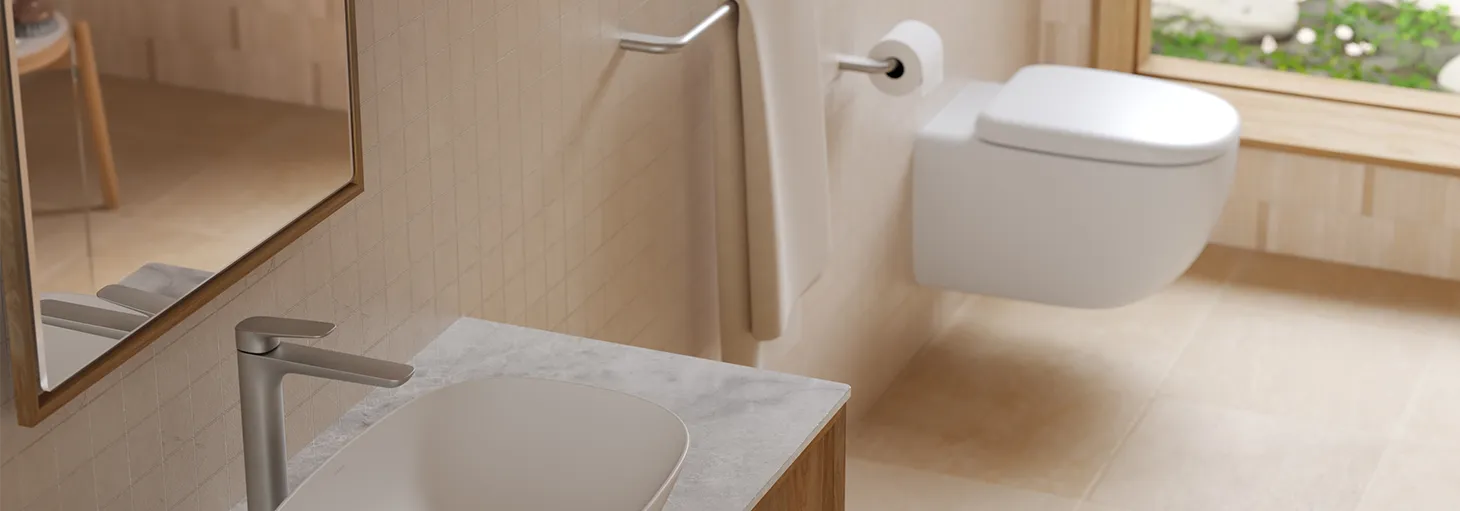
The organic bathroom palette draws directly from nature - earthy tones, gentle contrasts, and finishes that feel timeless, not trendy. The goal is to build a calming base that soothes the senses and softens the overall space.
Start with foundational tones such as warm whites, muted clay, olive, and sandy beige. These colours reflect coastal landscapes, bushland textures, and stone formations, helping to establish a space that feels both clean and warm. Unlike cool greys or stark whites, these tones feel nurturing - ideal for daily rituals.
Layering is key. Incorporate tones like soft moss, dusty eucalyptus, rust, and even chalky charcoals in small accents. These create subtle depth without overwhelming the room. Natural materials like timber, linen, or stone pair beautifully with these colours - adding visual interest while maintaining softness.
The result is a colour scheme that feels balanced, connected, and easy to evolve over time.
Fixtures to Shape the Organic Bathroom
In an organic bathroom, every fixture should feel considered - not just for how it looks, but how it feels in the hand, how it functions daily, and how it contributes to the room’s natural rhythm. These pieces should appear as if they belong - not forced or overly engineered, but part of the space’s story.
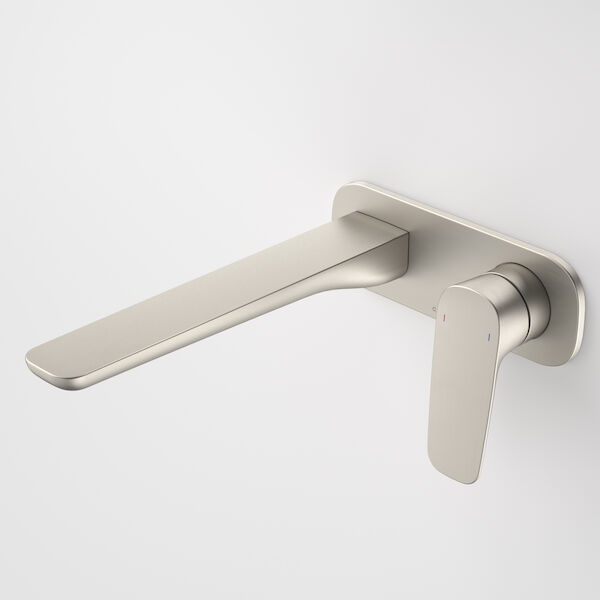
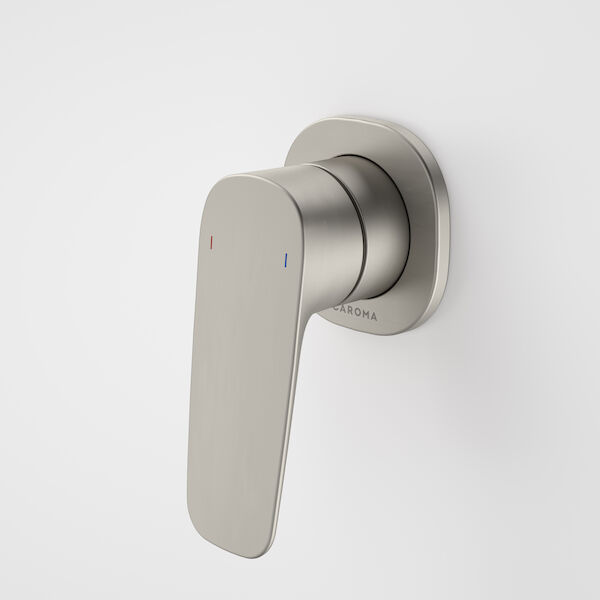
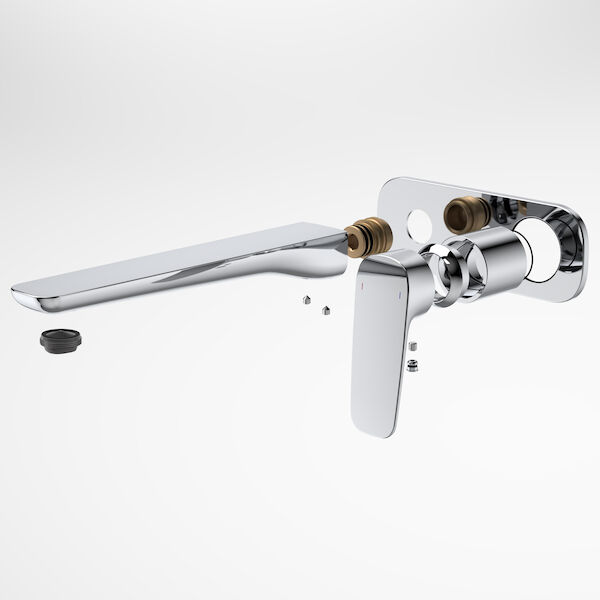
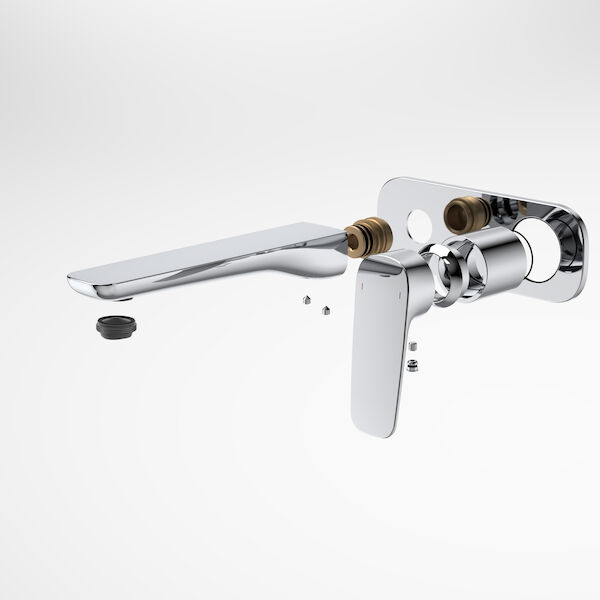
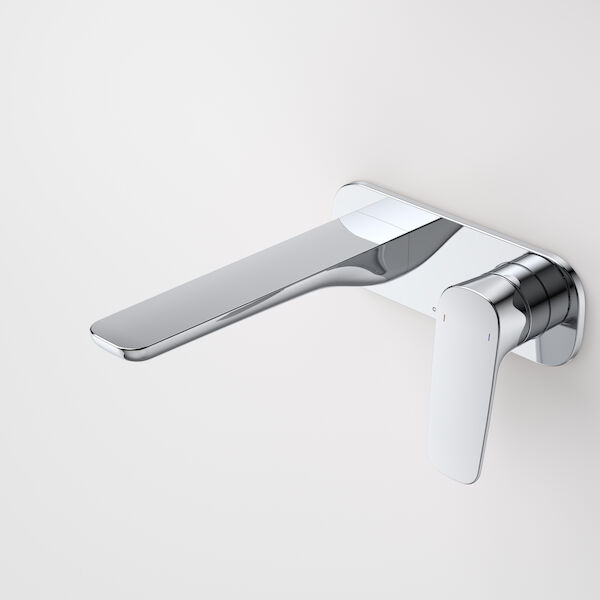
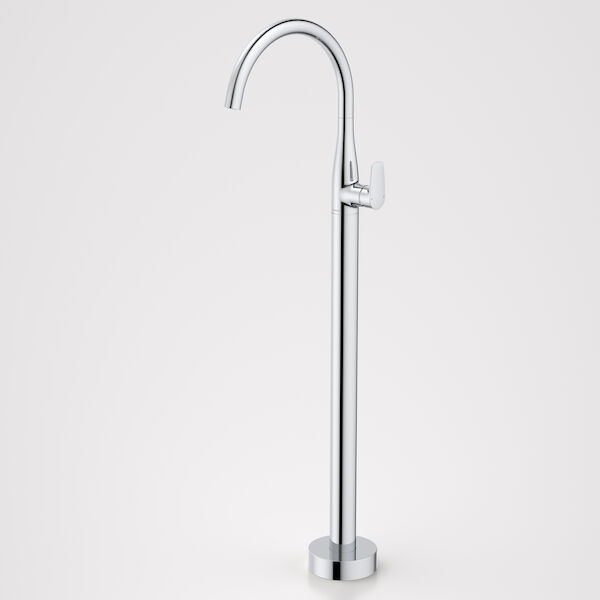
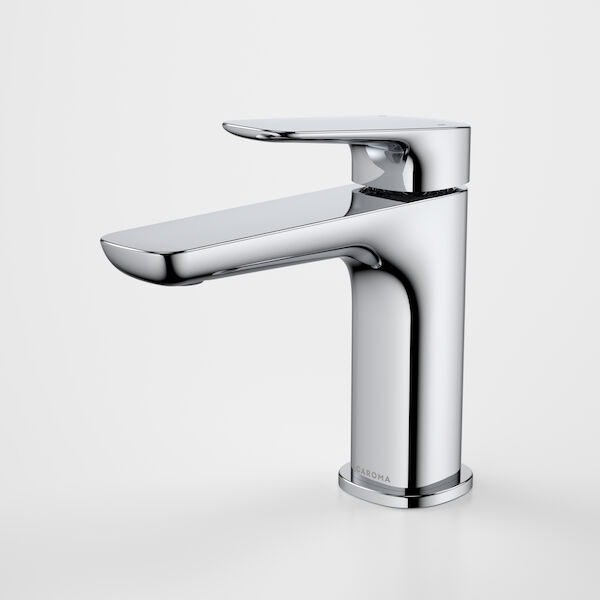
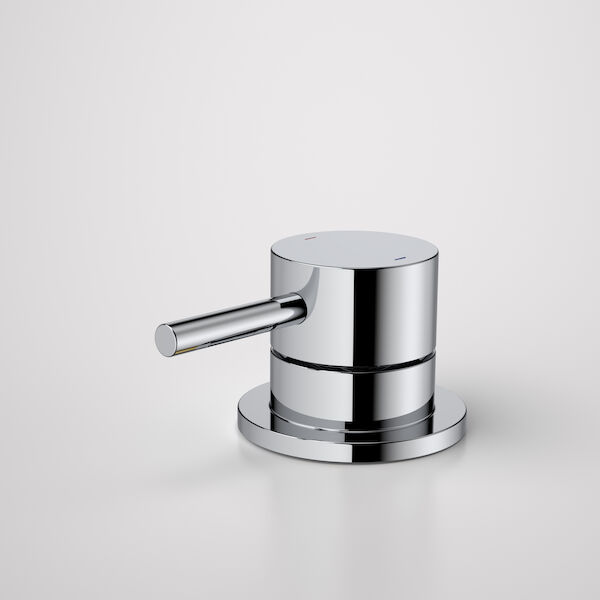
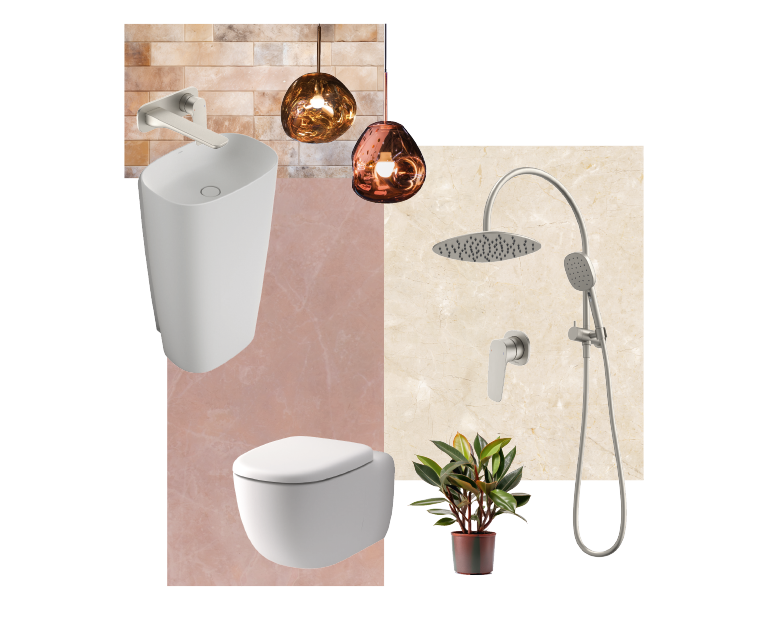
Tapware from the Contura II collection in brushed brass, nickel, or bronze can offer an aged, textural quality that complements natural surfaces. Look for soft curves, elongated forms, and finishes that are muted rather than high-gloss. The goal is to create a sense of flow and continuity throughout the space.
Basins and vanities work best when their forms echo natural silhouettes. Rounded bowls, pebble-like basins, and timber-front vanities introduce warmth and tactility. Pair these with soft-touch drawers or seamless cabinetry that invites daily use without fuss.
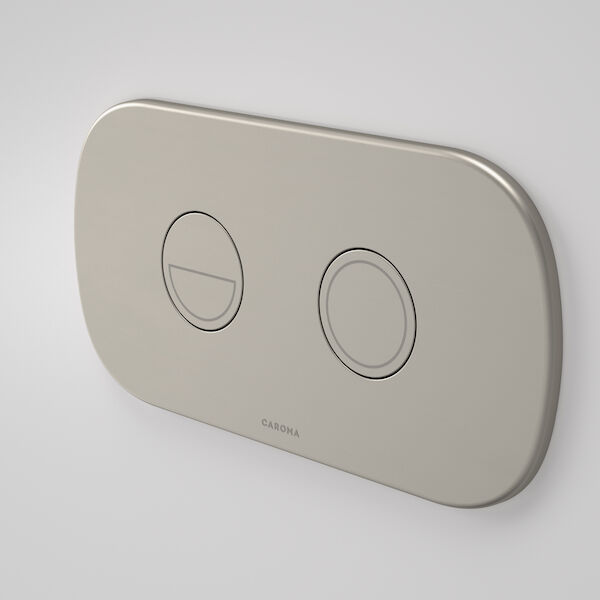
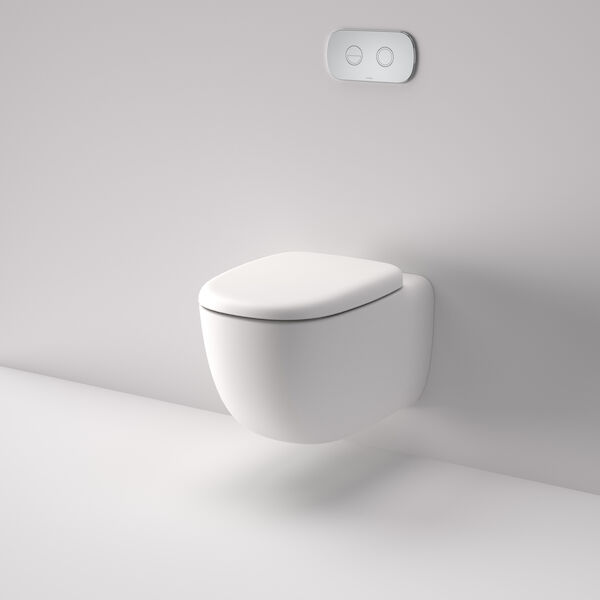
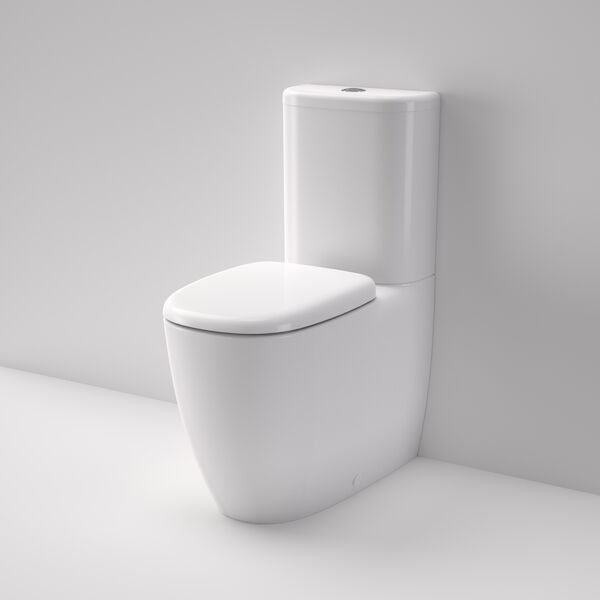
Toilets and baths in this setting should be simple, sculptural, and visually grounded. Wall-faced toilet suites blend effortlessly into clean-lined spaces, especially such as those from the Invisi Series II. For a more tactile experience, opt for oval or organic-shaped baths - freestanding if space allows - that feel like carved stone rather than polished product.
Importantly, this style avoids heavy symmetry or overt minimalism. It’s not about uniformity, but quiet coordination. Choose a brushed finish across all fittings to tie the space together, or let natural variation be part of the charm.
Fixtures should feel built for everyday use - ergonomic, easy to clean, and low on maintenance like the Contura II Mixer Range. This is not a showroom bathroom; it’s one for real life. With the right forms and finishes, your fixtures become not just functional, but deeply integrated into the space’s overall calm.
Creating a Base with Tiling
Tiles form the foundation of an organic bathroom - setting the tone through material, texture, and visual softness. Rather than bold patterns or ultra-polished surfaces, this style leans into matte finishes, natural variation, and tactile depth.
Stone-effect tiles work beautifully here. Look for sandstone hues, soft travertines, or textured clays with warm undertones. They bring a raw elegance that speaks to nature without overwhelming the space. Timber-look tiles also suit the aesthetic, especially in lighter, sun-washed tones that echo driftwood or eucalyptus.
Large-format tiles are a smart choice for floors or walls, helping to reduce visual clutter with minimal grout lines. For added interest, layer in vertical finger tiles or uneven handmade-look ceramics for splash backs, niches, or feature walls. These smaller-scale textures add rhythm and tactility without breaking the calm.
Avoid glossy tiles or graphic patterns that compete with the room’s organic focus. The aim is to build a continuous, natural base - something that feels timeless and grounding.
The most effective tiling choices will feel like an extension of the natural world: neutral in tone, honest in texture, and easy to live with. They anchor the bathroom, allowing everything else to flow freely around them.
Lighting Your Space
Lighting in an organic bathroom should feel soft, layered, and intentional - never harsh or clinical. The goal is to enhance natural textures, reveal the warmth of your materials, and support every moment spent in the space.
Start with ambient lighting that casts a gentle glow across the room. Concealed LED strips behind mirrors or under floating vanities are excellent for this, offering a subtle wash of light without disrupting the calm.
For task lighting, choose fixtures that feel hand-crafted or quietly sculptural - brushed metal wall sconces, linen-covered pendants, or ceramic fittings in earthy tones. Warm-toned globes are essential; they enhance timber, stone, and neutral palettes far better than cool-white light. Lighting around mirrors should prioritise clarity without glare. Consider soft-diffused backlit mirrors or wall lights with frosted glass that reduce shadow and brighten the face evenly.
Avoid ornate chandeliers or high-shine chrome. The organic style values simplicity and integration. Every light source should blend into the space and support the natural flow - not distract from it.
When done well, lighting becomes part of the material palette. It brings out grain, depth, and softness in every surface - creating a bathroom that glows with calm, day or night.
Styling Your Organic Bathroom
Styling in an organic bathroom is about layering natural elements that feel lived-in, functional, and quietly beautiful. This is where the space becomes yours - not through bold statements, but through warmth, texture, and intention.
Start with the essentials: soft towels in earthy neutrals like sand, clay, or olive; woven baskets for storage; and handcrafted ceramics for holding soaps, brushes, or everyday items. Let materials do the talking. Linen curtains, timber stools, stone trays, or textured pottery all add tactile depth without feeling staged.
Plants are an effortless way to reinforce the connection to nature. Choose species that thrive in humidity - like devil’s ivy, peace lilies, or hanging ferns. Even a small pot on a vanity can make the room feel more grounded and alive.
Avoid glossy finishes or synthetic décor that feels out of place. Nothing should appear too perfect or untouchable. This is a space meant to be used and enjoyed - a reflection of real life with all its beauty and variation.
Embrace open shelving if it suits your layout. Layer folded towels, candles, or a stack of well-designed products with natural packaging. Leave space for breathing room - styling should feel relaxed, not cluttered. The result is a bathroom that feels curated, not styled or performative.
Bringing the Style Together
The organic bathroom style is more than a visual choice - it’s a way of shaping your space to feel calmer, slower, and more in tune with natural rhythms. It draws from nature without mimicking it; it supports everyday function while offering quiet beauty at every turn.
This look is highly adaptable - equally suited to contemporary family homes, rural retreats, or urban escapes looking to soften their edges. Its strength lies in its subtlety; soft tones, tactile materials, and thoughtful design choices come together to create a bathroom that feels grounding and genuinely restorative.
With Caroma’s extensive range of organic-inspired products - from gently curved tapware to stone-look basins and natural finishes - you can create a space that’s functional, timeless, and deeply personal.